AI automation no longer waits for the clock
Event triggers are replacing the hourly check.
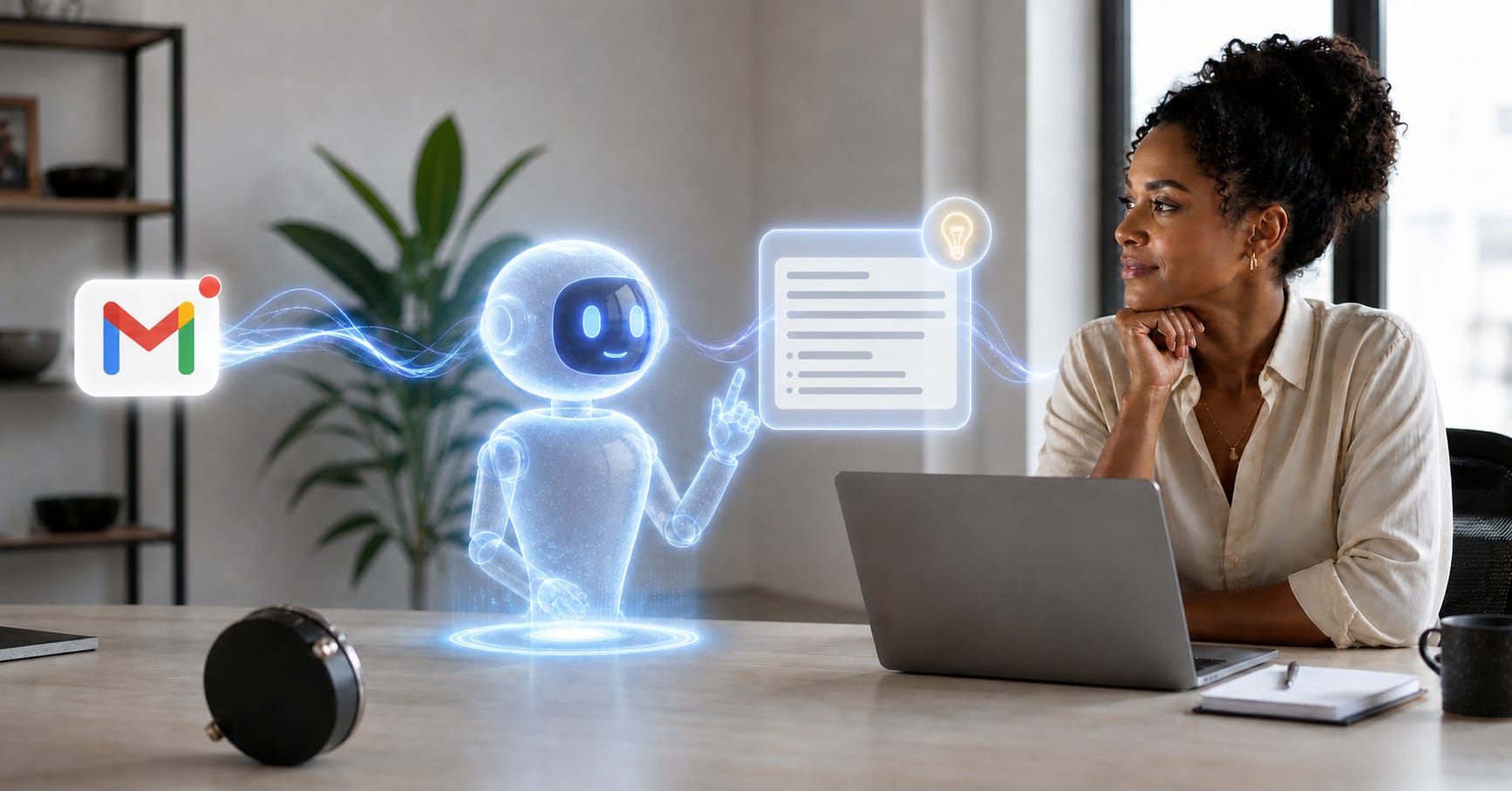
Traditional automation tools such as Zapier and Make have always had an edge: they can wait for something specific to happen, then react immediately.
AI assistants, by comparison, are still largely triggered manually (shame) or told to keep checking on a schedule:
Every hour, check my emails for customer inquiries and draft a response.
Imagine the task checks an empty inbox at 10:00. A client email arrives at 10:01: the automation will not see it until 11:00.
Sure, a 59-minute delay is not the end of the world. And you can always check more frequently if response time matters. But that creates even more empty runs.
Event-triggered tasks mean fewer unnecessary checks, less delay and less plumbing between the event and the agent’s response.
And AI assistants are starting to catch up: ChatGPT can now be woken by supported Gmail, Slack or GitHub activity.
Yes, the initial support is thin, but it is a nice first step toward a much bigger promise: as more apps and events are added, AI assistants will react when work changes instead of repeatedly checking whether it has.
This does not replace Zapier or Make.
If an event should always produce the same action, traditional automation remains simpler, more predictable and easier to inspect.
But when the response requires judgement, an event-triggered AI assistant becomes more interesting. And it is probably no coincidence that the first supported sources are Gmail, Slack and GitHub. They contain long-form, unstructured information where it can be difficult to map every possible automation path in advance.
In those cases, AI can understand what changed, decide what it means and determine whether anything should happen next.
Note: I could not find an equivalent built-in feature for Claude. Cowork supports scheduled and on-demand tasks. Claude Code has hooks, but they respond to local lifecycle events rather than activity in connected apps.
If you are deciding where AI should act, where traditional automation is enough or where human approval still belongs, the Next Tech Move Diagnostic can help identify the right next move.